Propane Concrete Grinders St. Lucie & Orange County, FL

Work Anywhere Without Power Cords or Generators

You need concrete grinding equipment that doesn’t chain you to an outlet or force you to haul generators around. Our propane floor grinders give you the freedom to move across any job site while delivering the power you need to prep, polish, and finish concrete surfaces fast.

Propane Floor Grinder Rental in St. Lucie & Orange County, FL

Cordless Grinding Power for Surface Prep and Polishing

Propane concrete grinders solve the biggest headache on job sites without reliable power. These walk-behind planetary grinders run on propane fuel instead of electricity, which means no cords, no generators, and no limitations on where you can work. Whether you’re prepping a warehouse floor for epoxy coating, grinding down high spots on a commercial slab, or polishing concrete in a retail space, our propane grinders give you the mobility and power to handle it.

The equipment works across indoor and outdoor applications as long as there’s proper ventilation. You get commercial-grade performance with three-head planetary systems that cover more surface area per pass than single-disc grinders. And because you’re renting instead of buying, you can choose the right size grinder for each specific job without the cost of owning multiple machines.

Multiple Grinder Sizes Available

Choose from 25″, 30″, 32″, or 38″ propane planetary grinders to match your project scope and get the coverage you need without wasting time.

No Power Source Required

Propane power means you’re not hunting for outlets or waiting on electricians. Show up, fuel up, and start grinding right away.

Professional Grade Equipment

We stock walk-behind planetary grinders built for commercial contractors who need reliable performance on warehouses, retail spaces, and industrial floors.

Tool & Machinery Rental Services Florida

Full Range of Equipment for Every Phase
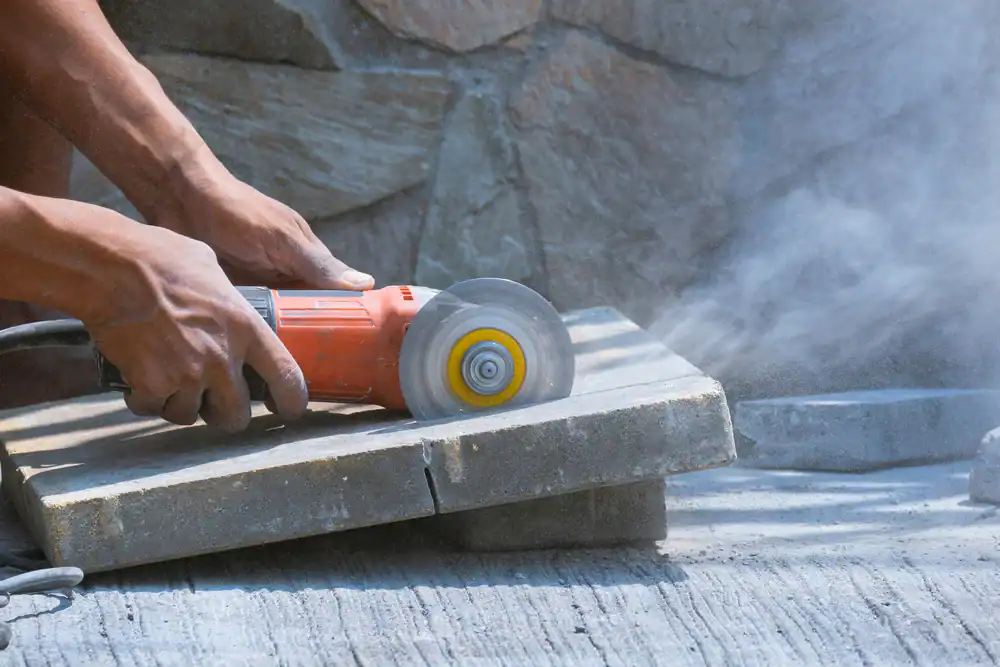
Concrete Surface Preparation Equipment Rental

What You Get with Propane Grinder Rentals

These aren't just features on a spec sheet. This is what changes when you rent the right equipment for concrete grinding and surface prep work.

You stop wasting time setting up generators or running extension cords across job sites just to power your grinder.
You can take on jobs in locations where electrical power isn’t available or accessible without added hassle and cost.
You avoid the upfront cost of purchasing expensive grinding equipment that sits unused between jobs and depreciates over time.
You get access to different grinder sizes so you can match the equipment to the project instead of forcing one machine to do everything.
You eliminate maintenance headaches, repair costs, and storage issues that come with owning heavy concrete grinding equipment.
You finish surface prep work faster with planetary grinding heads that cover hundreds of square feet per hour.

25" 30" 32" 38" Propane Grinders

Size Matters When You're Covering Square Footage

The difference between a 25-inch and a 38-inch propane floor grinder isn’t just the price. It’s how much ground you cover per hour and whether you finish on schedule or burn extra days on the clock.

Smaller 25-inch and 30-inch propane grinders work well for residential garages, retail spaces, and areas where you need maneuverability around columns or tight corners. They’re lighter, easier to transport, and still deliver professional results on coating removal and surface leveling. Mid-size 32-inch grinders hit the sweet spot for most commercial contractors working on warehouses, industrial facilities, and larger retail floors. You get solid coverage without the bulk of the biggest machines. The 38-inch propane planetary grinders are built for high-production work where you’re prepping or polishing thousands of square feet and time is money.

Walk-Behind Planetary Grinder Rental

What Propane Planetary Grinders Actually Do

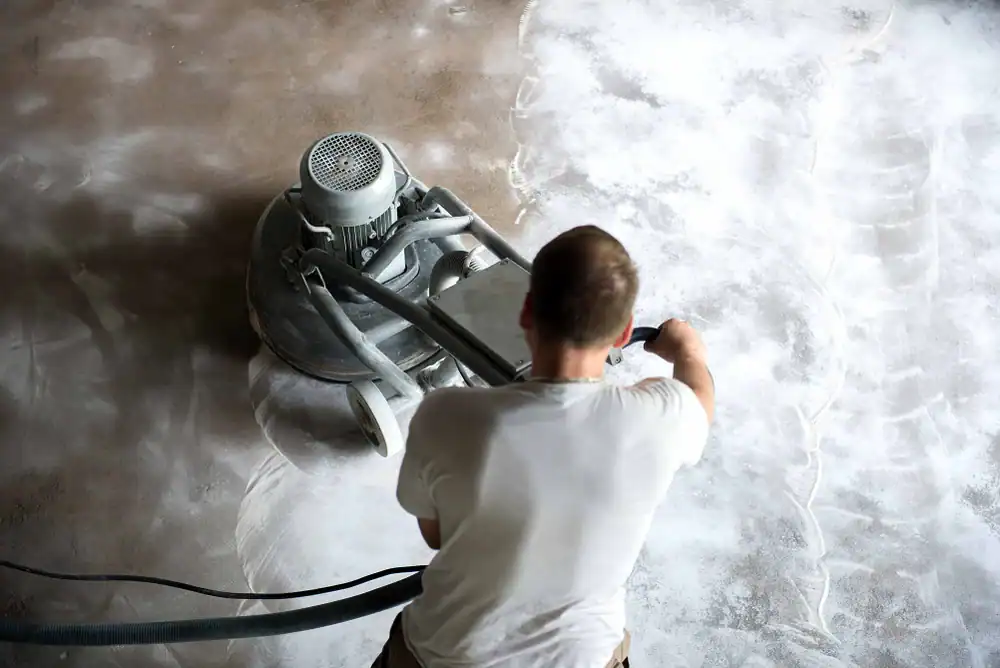
Planetary grinders use three rotating heads that spin in opposite directions while the main plate rotates. This creates a more aggressive grinding action and leaves a smoother, more consistent finish than single-disc grinders. It’s the difference between making multiple passes to get the surface you need and getting it done in fewer passes with better results.

These machines handle coating removal, surface leveling, concrete polishing, and prep work before applying epoxy or other floor finishes. You can remove old adhesives, grind down trowel marks, level uneven joints, or polish concrete to a high-gloss finish depending on the diamond tooling you’re using. The propane power means you’re not limited by cord length or outlet availability, which matters when you’re working on large commercial slabs or outdoor concrete surfaces.

Frequently Asked Questions

We're here to provide clear and helpful answers

Explore our FAQs to learn more about our process, pricing, and how we ensure quality, transparency, and client satisfaction at every stage.
Propane grinders can be used indoors as long as you have proper ventilation with access to fresh air. The propane engine produces exhaust, so you need good airflow to keep CO levels safe. Many contractors use propane grinders in large warehouses, industrial facilities, and commercial spaces with open doors or ventilation systems. For smaller enclosed spaces without ventilation, electric grinders are a better choice. Outdoor applications like parking garages, driveways, and exterior slabs are ideal for propane equipment since ventilation isn’t a concern. If you’re working indoors, make sure the space has adequate airflow and consider using a CO monitor for safety. The key is having enough fresh air circulation to prevent exhaust buildup during operation.
The main difference is coverage and productivity. A 25-inch propane grinder covers less square footage per hour but offers better maneuverability in tighter spaces and around obstacles. It’s lighter and easier to transport, making it ideal for smaller commercial jobs, residential work, or areas with columns and walls. A 38-inch grinder covers significantly more surface area with each pass, which means you finish large projects faster. It’s built for high-production work on warehouses, industrial floors, and expansive commercial slabs where speed matters. The larger grinder is heavier and requires more space to operate, but it can cut your grinding time in half on big jobs. The 30-inch and 32-inch sizes fall in between, offering a balance of coverage and maneuverability for most commercial applications. Your choice should match your project size and workspace constraints.
You don’t need formal certification, but you should understand how to operate walk-behind grinding equipment safely. If you’ve used floor grinders before, transitioning to a propane model is straightforward. The main difference is fueling with propane tanks instead of plugging into an outlet. We provide basic operating instructions when you rent the equipment, covering startup procedures, safety features, and proper handling. The key safety considerations include maintaining proper ventilation when working indoors, understanding how to adjust grinding pressure and speed, and knowing how to change diamond tooling if needed. Most contractors pick up the operation quickly, especially if they have experience with other surface prep equipment. If you’re new to concrete grinding, consider starting with a smaller project to get comfortable with the equipment before tackling large commercial jobs. Proper safety gear including eye protection, hearing protection, and dust masks are essential regardless of experience level.
Propane floor grinders excel at coating removal, surface leveling, concrete polishing, and prep work before applying new finishes. They’re commonly used to remove old epoxy coatings, adhesives, and paint from concrete slabs. You can grind down high spots, level uneven joints, and smooth rough trowel marks to create a flat surface. For polished concrete projects, propane grinders work through progressive diamond grits to achieve the desired sheen level from matte to high-gloss finishes. They’re also effective for preparing concrete before applying epoxy coatings, overlays, or other floor systems since proper surface prep is critical for adhesion. Industrial warehouses, retail spaces, commercial facilities, parking garages, and outdoor concrete surfaces are common applications. The cordless operation makes propane grinders particularly valuable for large open areas where running power cords would be impractical. They handle both wet and dry grinding depending on your dust control setup and project requirements.
Rental costs vary based on the grinder size and how long you need it. Daily rates typically range from around $200 to $500 depending on whether you’re renting a 25-inch or 38-inch model. Weekly rates offer better value if your project runs multiple days, usually coming in at about three to four times the daily rate rather than seven times. Monthly rentals provide the most cost-effective option for extended projects. The rental price covers the grinder itself, but you’ll need to factor in propane fuel costs and diamond tooling if you need specific grinding or polishing heads. Some rental agreements include basic tooling while others charge separately. Delivery and pickup fees may apply depending on your location. When comparing costs, remember that renting eliminates the upfront purchase price of $15,000 to $40,000 for new equipment, plus ongoing maintenance, storage, and depreciation expenses. For most contractors, renting makes more financial sense unless you’re grinding concrete every single week.
For most warehouse floors, a 32-inch or 38-inch propane planetary grinder is your best option. These larger machines cover more square footage per hour, which matters when you’re dealing with tens of thousands of square feet. A 32-inch grinder typically covers around 1,500 to 2,500 square feet per hour depending on the concrete condition and how much material you’re removing. A 38-inch grinder can push even higher productivity on open floor areas. If your warehouse has a lot of racking, columns, or tight areas, you might need a smaller 25-inch or 30-inch grinder for those sections and use the larger machine for open areas. The floor condition also factors in—if you’re just polishing or doing light prep, you’ll move faster than if you’re removing thick coatings or grinding down significant high spots. Consider your timeline too. If you need the job done quickly, the larger grinder justifies its higher rental cost through faster completion. For smaller warehouses under 10,000 square feet, a 30-inch grinder might be sufficient and more cost-effective.
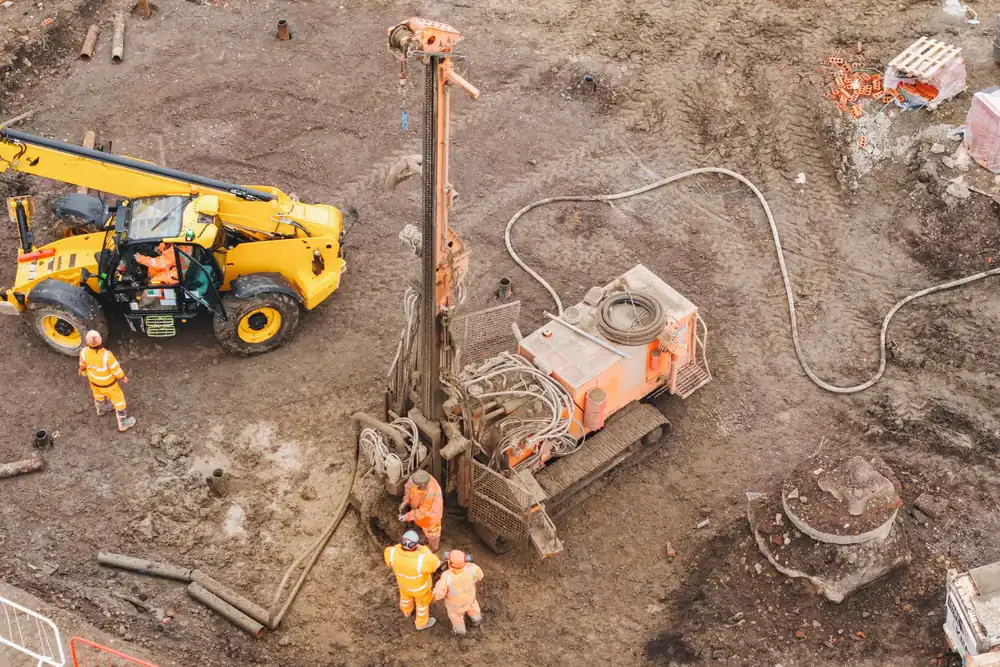
Aerial view of three construction workers in orange safety gear operating heavy drilling machinery—available through equipment rental St. Lucie & Orange County, FL—on a muddy site, with a yellow vehicle parked nearby.